SYMBOLS DISCUSSION - Revolutions
This picture is the most reproduced picture of all time. Che Guevara, taken on March 5, 1960 by Alberto Korda at a funeral service for victims of the La Coubre explosion. It wasn't published until seven years later when Che Guevara was 38 and instantly became an symbol for revolution and people power. It has been simplified over the years and even modified but it still remains one of the most iconic images of our time.


___________________________________________________________
LECTURE - Design Process
How do you begin a picture-mark or symbol? Well for one, you don’t start on the computer…ever. I don’t care if you are the worlds greatest expert on Illustrator…well maybe it you were the worlds greatest…but using a computer for these early concept driven idea generation periods is ludicrous.
Firstly it takes too long, when you get firing you need to make it super quick, three second drawing, followed by three second drawing, it takes you more than three seconds to open a program.

Secondly you need to be able to do it anywhere. Talking on the phone, on the bus, on the toilet, in the middle of the night… when you get the inspiration or an idea you need to get it down. Part of designing is getting out there and experiencing things, getting inspired, whether it be attending the art gallery or going to the place you’re designing for. Walk around those spaces and a bunch of ideas will come right out and slap you in the face.

Thirdly you don’t need to do it correctly. If your picture of a dog looks more like an iguana – who cares! You know what it is and you can fix it up later by looking at reference and perfecting the dog-like-look.
Have I sold you yet?
Start by creating an association list (like we learnt about in semester 1) - think about every visual association that is linked with your cause. If your cause is about obesity than we can start off with: large people, big bellies, hamburgers, fries, fast food, cola, sugar, weight scales, broken weight scales, 10 ton weight, TV, remote control, couch... and so on.
Go as far as you can. When you get stuck go back and look at a word on the list and start again from there. Devote some time to this and it will pay off. Tell yourself that you're going to do nothing else but write words for the next half hour. You should end up with a decent list. Make sure you write them all down. The important, the not so important, the ones which are cliche, and the ones which are just plain silly. It's better to get them out then have them stay in and taint everything else.
Then go to your research and use that as inspiration. There should be a thousand visual things in your research that could be seen as a direct link to your concept. Make a list of all the visual things you can think if that go with your idea.
Then pick out the words that resonate most with you.
Then we start drawing, and do lots of it, LOADS of it. This is the most enjoyable part, and the best thing is often you’ll come up with a bunch of logos, some that you wont be able to use here… but you’ll be able to use on another job $$$

Remember we are just using thumbnail size sketches, yes that means they're the size of your thumbnail. Not big is it. Big enough for you to see whether its working or not and at this point that's all we need to know. Time is of the essence, we want to get as many ideas down in as little time. This is where we make our money and it's something you'll become faster and faster at doing. At this stage of your career you need to practice, practice, practice and get quicker, quicker, quicker.

After you’ve got all that out of your head and done pages and pages you can pick out the ones that look interesting. Work them up, get them looking exactly as you imagined, cross reference against pictures of them, make sure you can tell what they are – make sure other people can tell what they are!

Then simplify – what could you take out of them so they would still be understood but would use less lines, more solid colours and uncomplicated shapes. The easy to understand the more mnemonic it is, the more the message will stay in someone’s head.
A great example of this process is done by Chuck Green who runs through each step of making a logo. Go here to see his guide
Lets have a look at some good examples of Picture-marks to get an idea of the diversity and breadth they can incorporate.

___________________________________________________________
IN-CLASS EXERCISE - Working on Symbols
Right so we know what we have to do so lets get going.
___________________________________________________________
HOMEWORK
Next week you should come into class with three unique approaches to the your symbol. They should all speak to the proposal you have completed but should all have their own voice. Practise what we have looked at above. Create an association list of visuals. Sketch out 50, 100, 1 million thumbnails, to get it right. Bring in those thumbnails with the three selected, circled in red.
___________________________________________________________
INSPIRATION & EXTRAS
Rémi GAILLARD best shots. This has nothing to do with symbols or design. Just quite funny and might get you in the rebellious spirit in order to go and make some noise on the streets of Sydney.
___________________________________________________________
MORE MOLESKINS
By Masa Vision


By Mattias Adolfsson


By
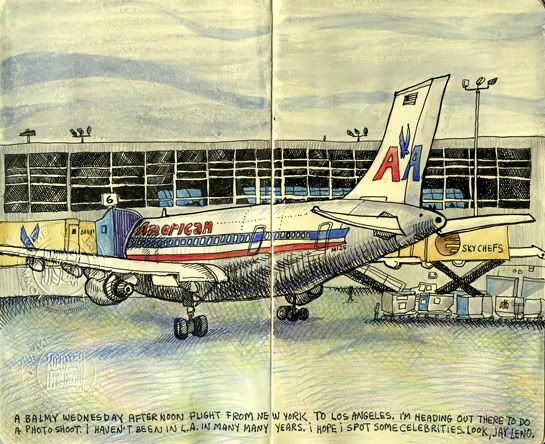
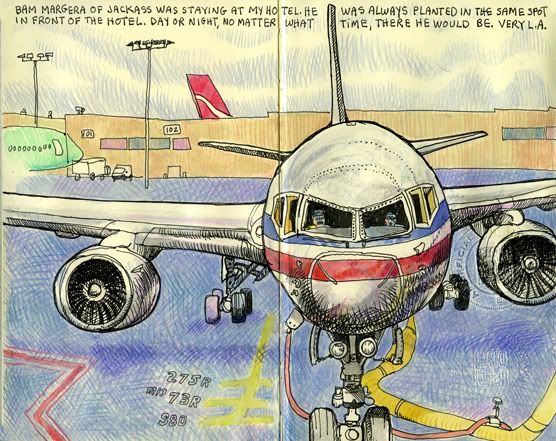
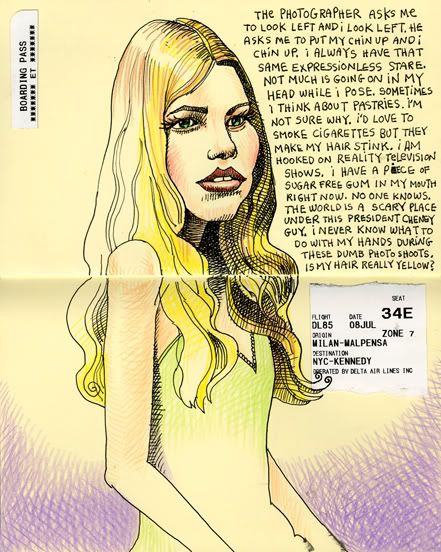
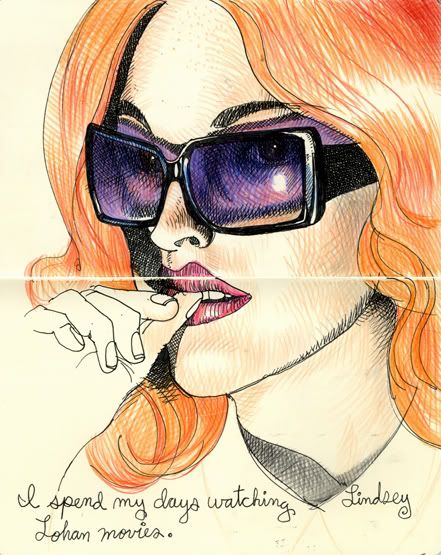

By Jim Bradshaw


By Abe O is Okay O

and if you just can't get enough Moleskin goodness then check out the king of Moleskins - James Jean

___________________________________________________________
